





Infrastructure: The most boring, most important thing in placemaking
Infrastructure planning. Even saying it feels dry – like the smell of hot tarmac. It’s the part of planning that people rarely get excited about. It lives in technical documents and Infrastructure Delivery Plans (IDPs), buried under headings like typologies and phasing. It doesn’t have the wow factor of an evocative sketch of a public square or a beautifully drawn streetscape.
But here’s the secret: infrastructure planning isn’t boring. It just happens to be the one thing communities tell us they care about more than anything else.
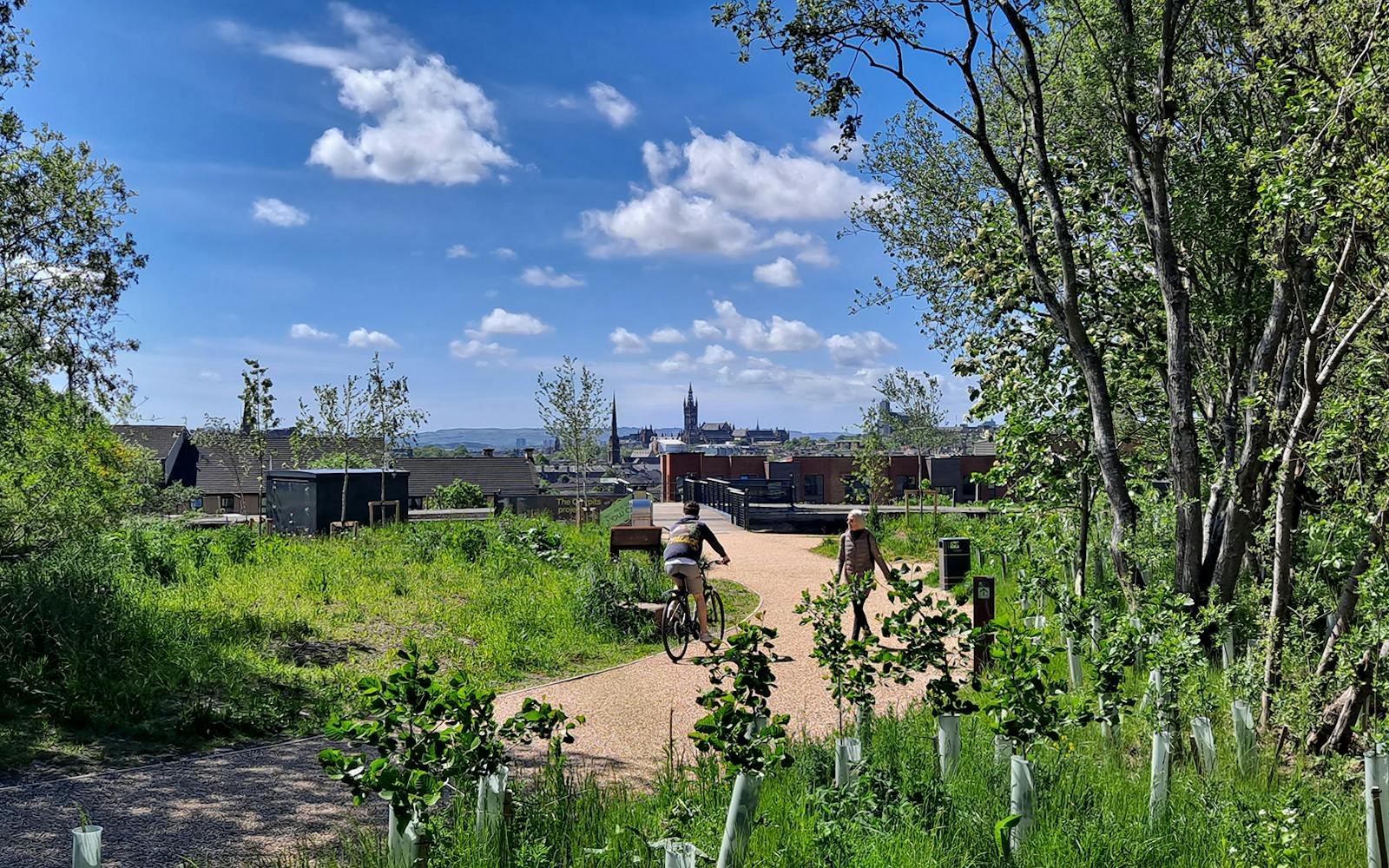
We’re going to suggest that those infrastructure planners and their spreadsheets might actually be the most important placemakers of all.
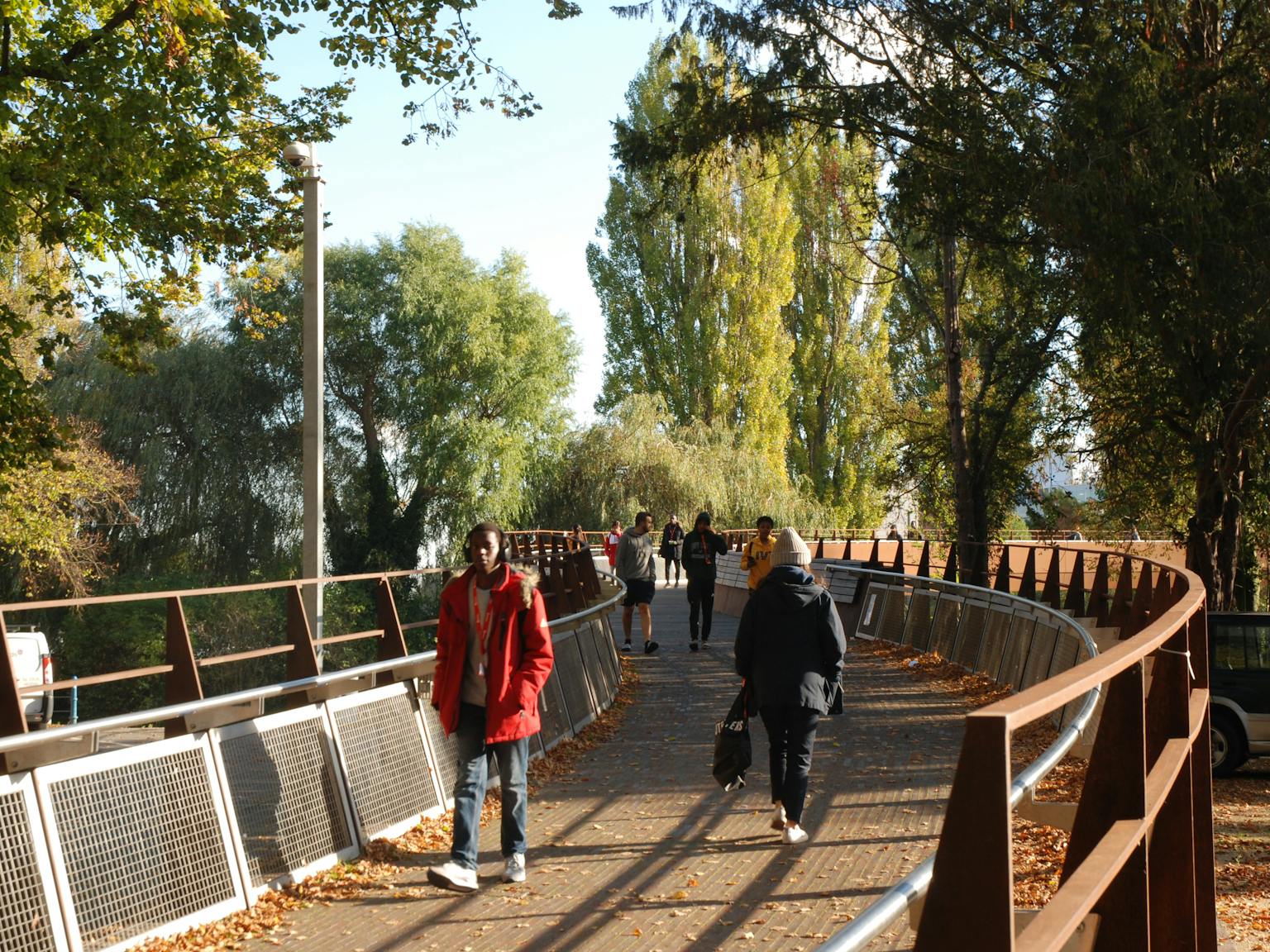
The reality is that daily life is a journey through infrastructure. Whether your day feels connected, rich and human – or exhausting, lonely and limited – is shaped by these so-called “typologies.” Nursery drop-off. The quality of the cycle lane. Whether the bus shows up. Picking up a book from the library. Eating lunch in a park. Seeing people – or not seeing anyone. These are infrastructural experiences. The illustration below takes you on a journey through my day in the language of “infrastructure typologies”.
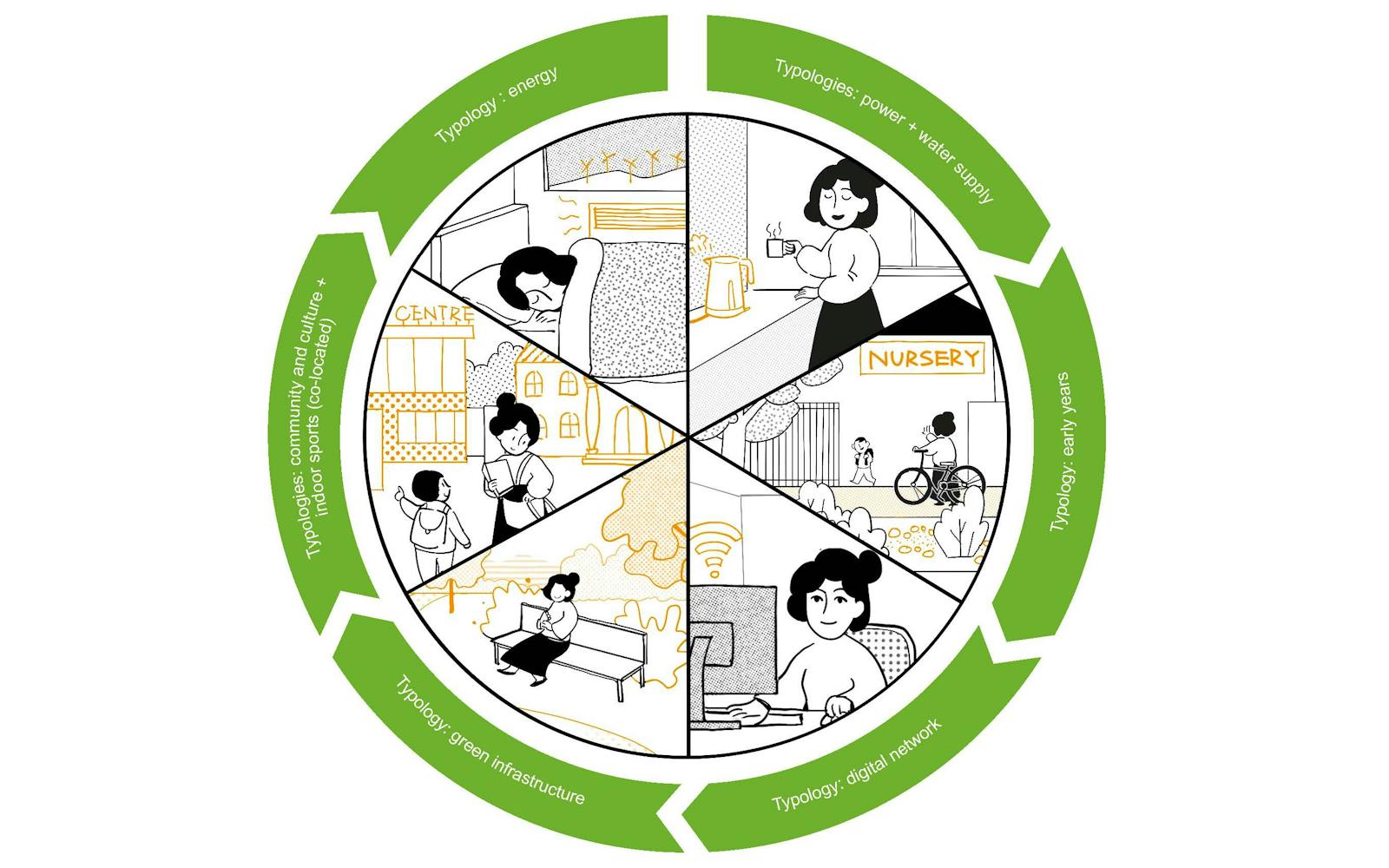
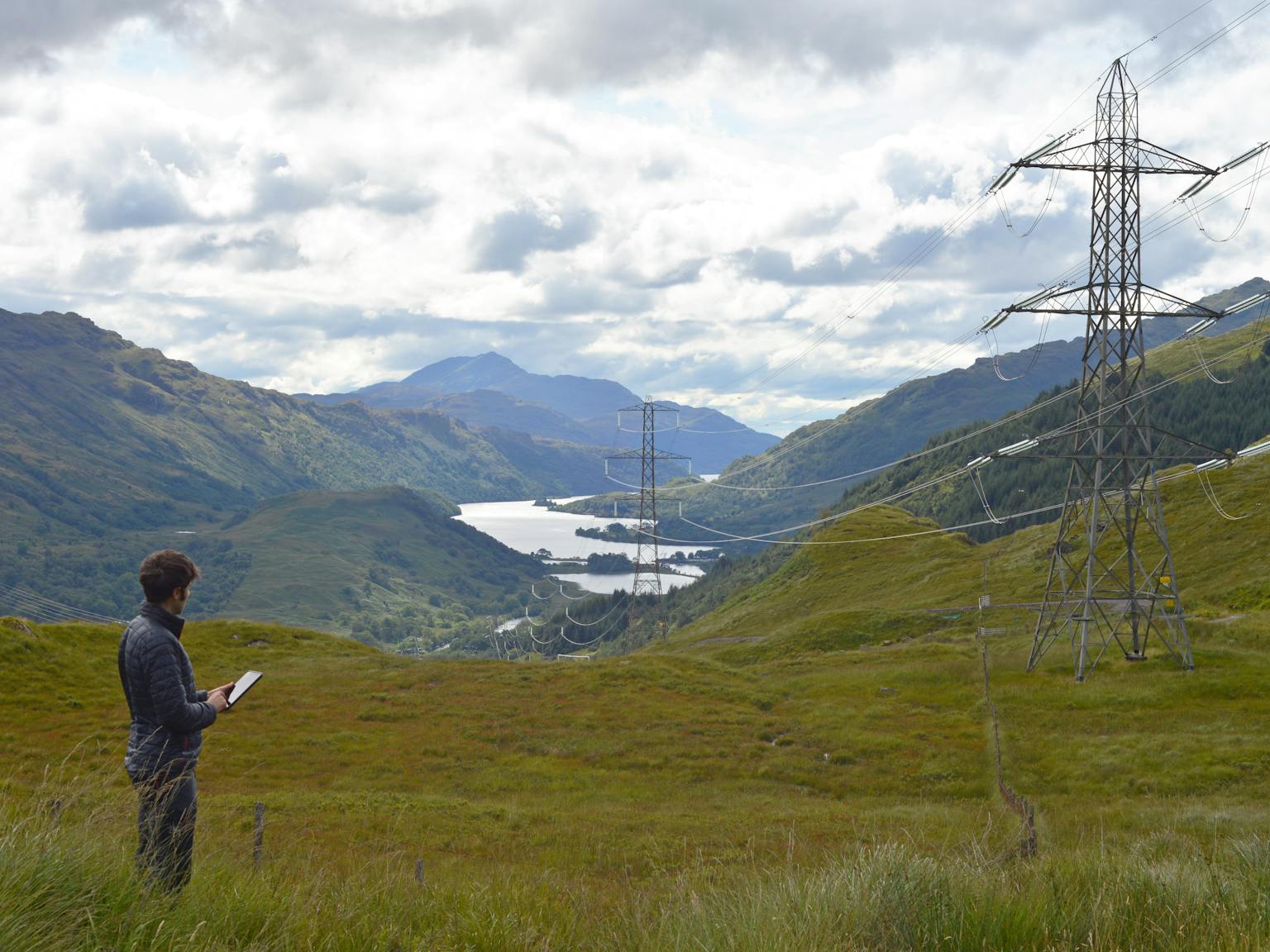
And that’s before we even get to the vital but invisible stuff like power, drainage, broadband and emergency services – the systems we only notice when they fail. Together, they shape our social lives, our health, our productivity – and above all, our sense of place and community.
Yet in plan-making, social infrastructure is treated as an afterthought – an adjunct to growth rather than a driver of it. Crucially, we see it as a technical exercise rather than a creative one. It’s reduced to a formula:
“1,000 new homes = 0.75 of a community centre.”
The numbers might add up neatly, but if we want places that actually work, we need to flip this on its head and start treating infrastructure planning as the core of placemaking, not a spreadsheet exercise that follows the grand plan.
Infrastructure is consistently the top issue raised by communities in response to new development – more than design, density or even housing mix. And the frustration is often justified. Too many developments come with infrastructure promises that are vague, underfunded, or endlessly delayed. And social and green infrastructure in particular – the places where people come together and play – is rarely thought about creatively.
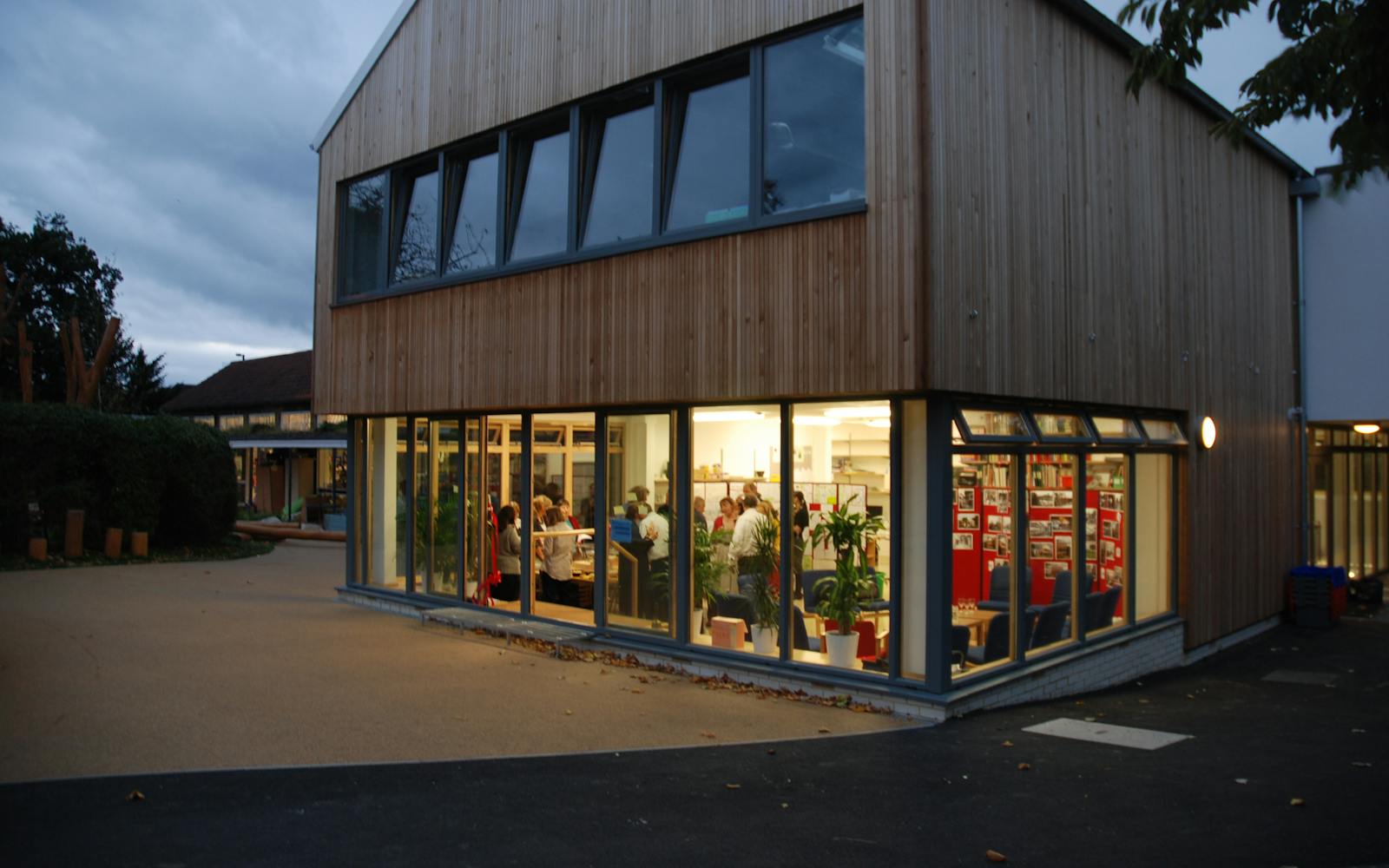
When it is done well, though, it changes everything. Take Thakeham’s development at Pease Pottage in West Sussex, where they partnered with Plunkett UK to deliver a community-run shop, café and meeting space – owned and operated by local people. It’s not a tick-box; it’s social infrastructure that belongs to its place.
Infrastructure planning is the middle cog in the placemaking machine, and the worlds of urban design and community trust both depend on it turning smoothly. We need to stop pretending it’s something for engineers and accountants to sort out, and start treating it as the foundation for thriving, connected, climate-ready places.

So how might we do it differently?
- Give Infrastructure Delivery Plans a vision.
Like masterplans, IDPs should be guided by a clear set of principles for social, green and blue infrastructure – linking the kind of place being created to the infrastructure needed to support it, not just a list of costs and assets.
- Plan for staying, not escaping.
Move beyond “good transport links” as shorthand for easy exit routes. Plan proper 15-minute neighbourhoods – places where daily life happens locally, and walking, wheeling or catching the bus feels like the natural choice.
- Build in joined-up thinking.
At key points in IDP preparation, bring planners, designers and service providers together to spot multifunctional opportunities: co-locate a GP surgery with a community garden to support social prescribing; green a tram corridor to manage surface water; turn play spaces into temporary stormwater basins during heavy rain.
- Ask developers to demonstrate delivery partnerships early.
Where community infrastructure is proposed, insist on clear evidence of who will run it and how – whether through a Plunkett-style community business model or a trusted local delivery partner. Just assuming that the overburdened parish council can pick up the slack will not cut it.
- Pull infrastructure planning upstream.
Don’t let it lag behind the vision. Integrate infrastructure thinking from the start – shaping site strategies and Local Plan priorities, not reacting to them later.
Infrastructure planning may never be the headline act. But it’s what makes places that last, and planners and developers would do well to remember that. Done well, it’s the quiet art of placemaking.