





LUC’s guide to the National Green Belt Policy changes
Here we go again! A new version of the NPPF, just in time for Christmas, again. This one’s out for consultation until 10 March 2026, so it’s not national policy quite yet, but it provides a helpful and strong steer as to what’s coming in the new year.
It has been a very busy year for LUC assessing Green Belt land and defining grey belt land up and down the country, including delivering the first-ever London-wide Green Belt assessment. Look out for more on all these assessments next year.
In the meantime, we have prepared what we hope is a helpful summary of the proposed changes, both big and small, to Green Belt policy this festive season.
If we are already working with you, we are confident that the proposed changes will not affect our ongoing assessment work and the programmes for their delivery!
Change to the definition of grey belt land
There has been a proposed simplification in the definition of ‘grey belt land’, to remove reference to NPPF footnote 7 areas and assets.
The previous definition excludes land ‘where the application of the policies relating to the areas or assets in NPPF footnote 7 (other than Green Belt) would provide a strong reason for refusing or restricting development’ as grey belt. This required grey belt to only be ‘provisionally identified’, subject to effects on such areas and assets being considered in detail.
This change would see reference to NPPF footnote 7 areas and assets as no longer being required as part of the grey belt definition process. This change allows local planning authorities to identify grey belt land more accurately through Green Belt assessments. It also helps inform plan-making and development management decisions more directly.
It is important to stress that this does not reduce the importance of the NPPF footnote 7 areas and assets, or any other designations, in evaluating the sustainability of proposals within or in close proximity to Green Belt land. Environmental designations remain crucial for establishing both ‘sustainable patterns of development’ through plan-making, and minimising and managing environmental harm of proposed development through development management decisions on Green Belt land.
Annex E: Green Belt assessments
The changes lift the Planning Practice Guidance relating to the assessment of Green Belt purposes A, B and D (for the purposes of identifying grey belt land) into the NPPF, but adds in the need for such Green Belt assessments (for local plans or neighbourhood plans) to ‘be broadly consistent with any strategic Green Belt assessment in an adopted Spatial Development Strategy’.
Such strategic Green Belt assessments do not need to follow the guidance in Annex E in detail, but must be compatible to ensure implementation at the local or neighbourhood plan level.
No material changes have been made to the guidance relating to the appropriate scale of local plan Green Belt assessments or the illustrative features relevant to the rating of Green Belt land’s contributions to Purposes A, B and D.
There has been no further guidance about the definition of ‘large built-up areas’ (relevant to the assessment of Purpose A), towns (relevant to the assessment of Purpose B), historic towns (relevant to the assessment of Purpose D), or proposals that will fundamentally undermine the purposes of the wider Green Belt in the plan area as a whole. These can and should all be defined in the local and/or regional context of each Green Belt assessment.
One helpful clarification has been added about assessing Purpose B: ‘towns’ are now more clearly defined as including cities, which has always been part of LUC’s assessment approach.
Policy GB1: Establishing new Green Belts
- Streamlines tests for creating new Green Belt, effectively consolidating the previous NPPF paragraphs 144c, d and e under a new, more general test that requires proposals to have compatibility with long-term growth ambitions for the relevant area.
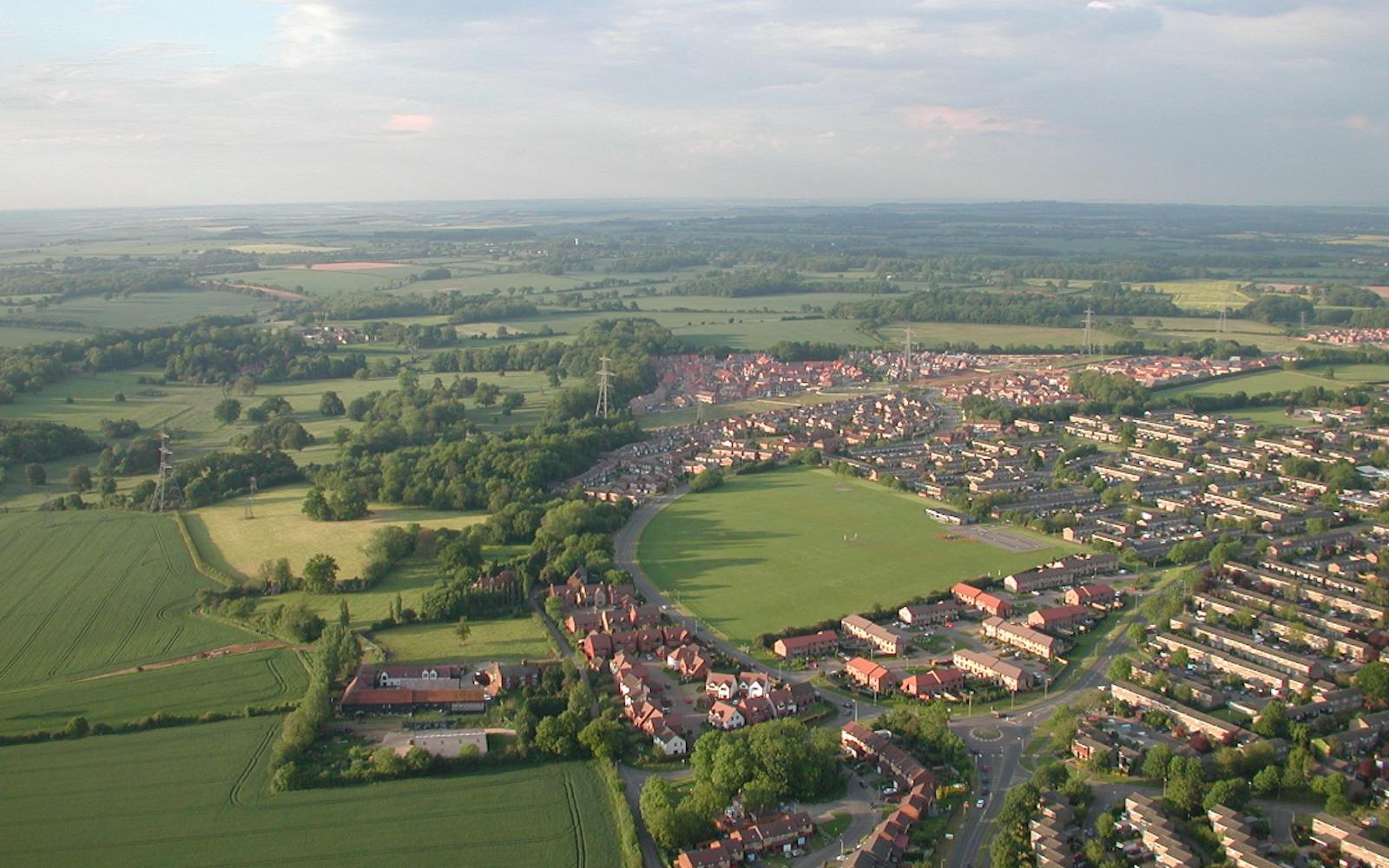
Policy GB2: Assessing existing Green Belt land
- Sets out new guidance that the preparation of spatial development strategies should be informed by an assessment of the strategic role of Green Belt land within the strategy area, taking into account the five Green Belt purposes.
- Notes that this strategic assessment should identify whether there are areas where Green Belt boundaries may require further consideration through the preparation of local plans, including the definition of grey belt land.
- Cross references guidance that was included in the Planning Practice Guidance on the assessment of Green Belt land for the identification of grey belt land (now included in Annex E of the NPPF). Local plans must be informed by an assessment conducted in accordance with the process outlined in Annex E, suggesting that assessments of the strategic role of Green Belt land within spatial development strategies might be undertaken at a higher level, albeit taking into account of all five Green Belt purposes, not just those relevant to the definition of grey belt land.
Policy GB3: Altering existing Green Belt boundaries
- States that Green Belt boundaries can be altered where exceptional circumstances are fully evidenced and justified (as previously), but adds that boundaries can also be altered where this would enable the development of land around stations.
- Exceptional circumstances include where a local planning authority is not able to meet its identified need for development in full (cross referring policy S1 on what meeting needs in full means), after examining all other reasonable options, including those mentioned in the previous version of the NPPF: making as much use of brownfield and underutilised land as possible and optimising the density of development. The previous requirement to discuss with neighbouring local planning authorities whether they could accommodate the plan area’s unmet needs outside the Green Belt has been replaced by a general requirement to assess whether sufficient suitable sites can be identified outside the Green Belt.
- In addition, explicit reference is made to exceptional ‘limited alterations’ to defined Green Belt boundaries to accommodate sites to meet a specific identified need for traveller sites, requiring that these be specifically allocated in development plans exclusively for planned traveller uses.
Policy GB4: Defining Green Belt boundaries
- The new NPPF combines various sections of the previous version to set out what local plans (or neighbourhood plans, where directed by local plans) should do when altering or establishing new Green Belt boundaries. It adds a new requirement to demonstrate that ‘new Green Belt boundaries are broadly consistent with the spatial strategy for accommodating growth and meeting development needs across the plan area and adjoining areas, including those of any relevant spatial development strategies’.
- Makes it clear, as in the previous NPPF, that priority should be given to the release of previously developed land within the Green Belt, then to grey belt land, which is not previously developed, and then other Green Belt locations, so long as this promotes a sustainable pattern of development overall. The reference to ’sustainable patterns’ is as important as it has always been, as it ensures that previously developed or open grey belt locations judged to be unsustainable need not be prioritised over sustainable locations further down the prescribed Green Belt land hierarchy.
- The policy also clarifies that where there is ‘clear evidence’ (required through Green Belt assessment) that alterations would fundamentally undermine the purposes (taken together) of the remaining Green Belt when considered across the area of the plan, such alterations would not represent a sustainable pattern of development and should be discounted.
- In addition to the previous NPPF’s requirement that Green Belt boundaries be defined ‘clearly, using physical features that are readily recognisable’, they must now also be ‘likely to be defensible’.
- Makes it clear that allocations for major development involving the provision of housing on land released from the Green Belt must meet the Golden Rules, as set out in policy GB8, and that these requirements are set out in the local plan.
- Re-establishes that local plans should ‘identify areas of safeguarded land, where necessary to meet longer-term development needs well beyond the plan period’ (this had been removed from the previous version of the NPPF). This is followed by the requirement that local plans make it clear that safeguarded land is not allocated for development at present and that this status will change only when plans are updated and propose that the land is released for development. Interestingly, this existing reference now makes it clear that safeguarded land ‘does not form part of settlements’ until a ‘plan is updated and proposed that the land is released for development’.
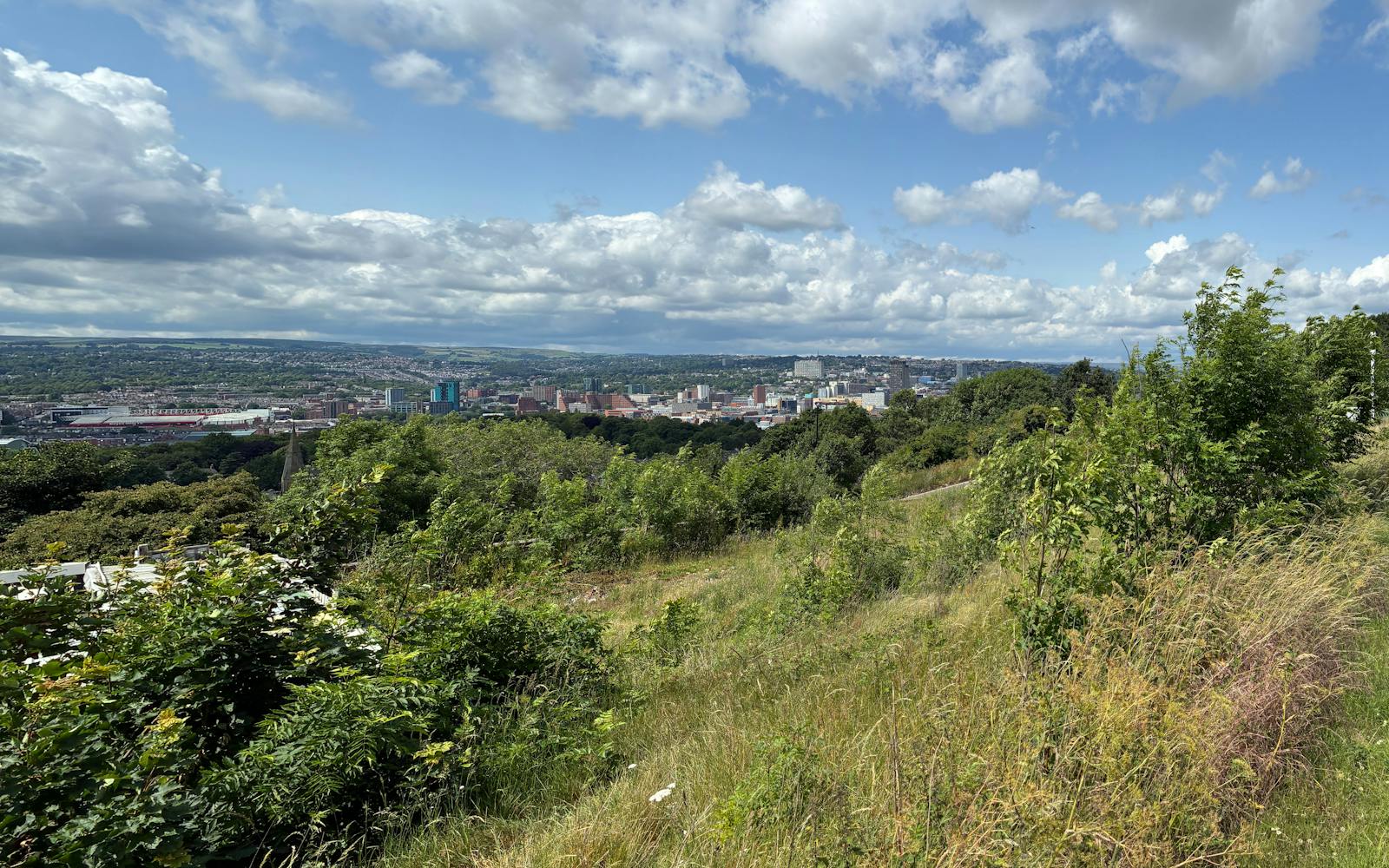
Policy GB5: Beneficial uses of Green Belt land
- Sets out more detail on what development plans (at the most appropriate level) should provide for in terms of enhancing the beneficial use of Green Belt land. The previous NPPF referred to outdoor sport and recreation, retaining and enhancing landscapes, visual amenity and biodiversity, or improving damaged and derelict land, and also referred to opportunities relating to national forests and community forests. The new NPPF expands the beneficial uses referenced to include a more general reference to securing improved public access to accessible greenspace, including outdoor sport and recreation, but also allotments and community food production. Nature recovery, as set out in Local Nature Recovery Strategies, is also specifically referenced, and the previously more general requirement to ‘enhance landscapes and visual amenity’ has been focused specifically on ‘Protected Landscapes’.
- The new NPPF also reinstates the earlier NPPF requirement (dropped from the December 2024 edition) to set out how the impact of any proposals to remove land from the Green Belt by altering Green Belt boundaries can be ‘offset through compensatory improvements to the environmental quality and accessibility of remaining Green Belt land’.
Policy GB7: Development that is not inappropriate in the Green Belt
- Any development for agriculture, horticulture (added in), and forestry is now not inappropriate in the Green Belt. Previous iterations of the NPPF had specified that this related only to ‘buildings for agriculture and forestry’, but now extends to other agricultural, horticultural and forestry land uses, for example, glasshouses, which had been consistently established through case law to be ‘not inappropriate’.
- The ‘other forms of development’ previously listed in NPPF paragraph 154(h) have been consolidated and expanded to include ‘transport, electricity network and water infrastructure required in a Green Belt location’ (previously referred to as ‘local transport infrastructure’). In addition, the bar for permitting the full list of ‘other forms of development’ has been lowered from ‘provided they preserve its openness and do not conflict with the purposes’ to ‘provided the impact on the openness of the Green Belt is minimised, and there would not be a significant conflict with the Green Belt purposes’.
Policy GB8: The Golden Rules
- The ‘Golden Rules’ now include the scope for site-specific viability assessments, but only in limited circumstances, including sites on previously developed land, ‘multi-phase, strategic’ sites, or if you have a ‘development model which is of a wholly different type to that assumed in the viability assessment that informed the development plan’.
Get in touch
Feel free to get in touch if you would like to discuss what these latest proposals mean for plan-making and development management in and around a Green Belt near you.